We received new products - Visit our catalog!
Stop Putting Your Employees to Sleep: The CEO’s Guide to Office Lighting

By Anthony Gemayel, Electrical Engineer Estimated Reading Time: 5 Minutes
It’s 3:00 PM. You look around your office. Half your team is rubbing their eyes. The other half is on their third coffee, looking exhausted.
You blame the heavy lunch. You blame the AC. But as an electrical engineer, I blame your ceiling.
Most offices in Lebanon are lit with the cheapest 60×60 LED panels available. They are bright, efficient, and absolutely terrible for human productivity. They create glare, they flicker on Zoom calls, and they emit a harsh blue frequency that increases anxiety.
If you are renovating your HQ or fitting out a new space, don’t treat lighting as an afterthought. Here is how proper lighting can actually increase your company’s output.
1. The Glare Factor (UGR < 19)
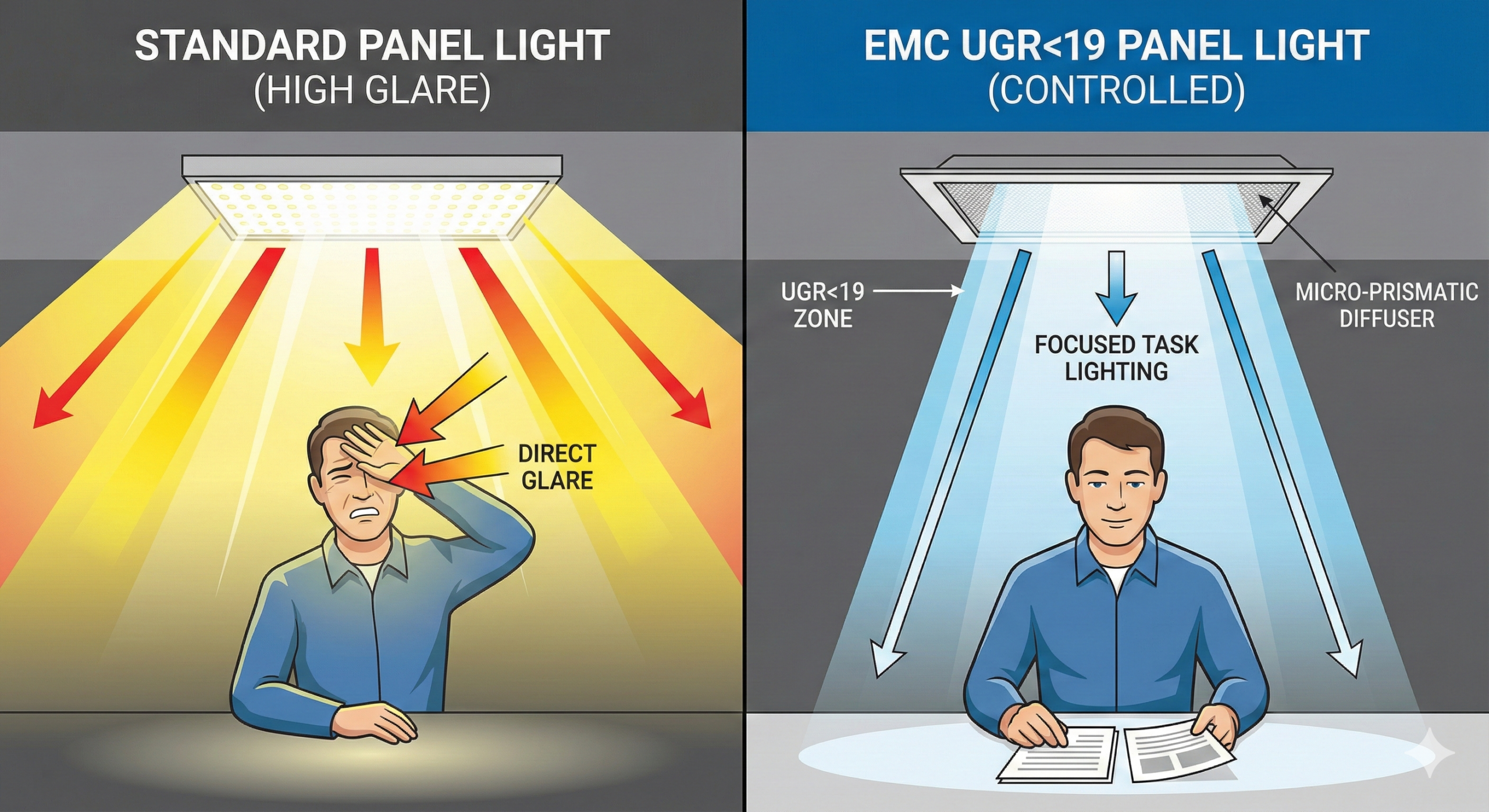
I’m going to get technical for a second because this number matters. UGR (Unified Glare Rating) measures how much a light source bothers the eye.
- UGR > 22: High Glare. (Standard cheap panel). Causes headaches and eye strain after 2 hours.
- UGR < 19: Low Glare. (European Office Standard). You can work for 8 hours without fatigue.
The Problem with Cheap Panels: They use a simple plastic diffuser that scatters light everywhere including directly into your employees’ eyes. This constant “visual noise” forces the brain to work harder to focus on the screen.
The EMC Solution: Our Prismatic Office Series uses micro-prisms to direct light downward onto the desk, not sideways into the eye. The result? A calm, focused workspace.
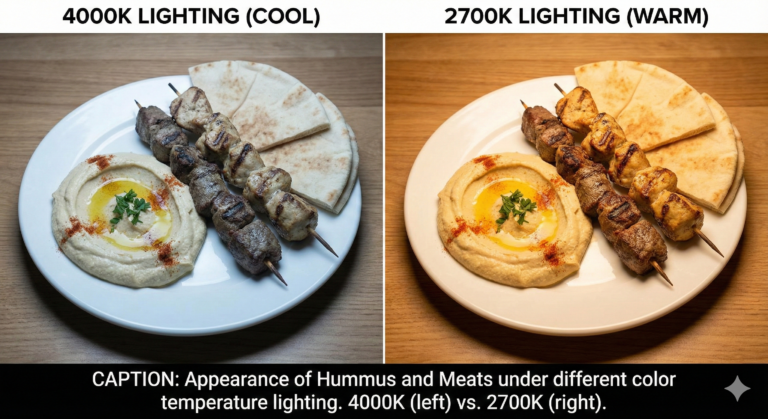
2. Color Temperature: The “Focus” Frequency
Light affects hormones.
- 3000K (Warm): Triggers Melatonin (Sleep/Relaxation). Great for a hotel lobby, terrible for a boardroom.
- 6500K (Cool): Triggers Cortisol (Stress/Alertness). Good for a hospital, but makes an office feel sterile and anxious.
The Sweet Spot: 4000K (Natural White) We recommend 4000K for all workspaces. It mimics morning sunlight. It keeps the brain alert without causing the anxiety of cool white light. It is the color of “Getting Things Done.”
3. The “Zoom Call” Test (Flicker)
Since 2020, we live on video calls. Have you ever been on a Zoom call where someone looks like they are in a horror movie because the lights behind them are strobing?
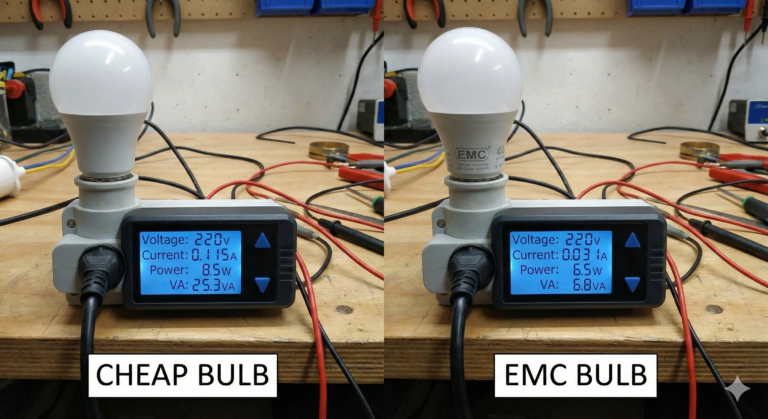
That’s PWM Flicker. Cheap drivers dim the light by turning it on and off thousands of times a second. Your eyes might not see it, but your webcam does—and your brain feels it. It leads to “subconscious fatigue.”
The EMC Standard: Our office drivers are Flicker-Free Certified. Whether you are on Teams, Zoom, or filming a corporate video, the light remains 100% stable.
4. Design: Linear Profiles vs. The “Grid”
The old way of designing an office was dropping a 60×60 panel every 2 meters. It’s boring and institutional.
The modern way is Linear Lighting. We manufacture custom aluminum profiles in Lebanon. We can create continuous lines of light that run above desks, turn corners, or go up walls.
- Aesthetic: It makes your company look modern and premium.
- Function: It puts the light exactly where the desk is, rather than wasting it on the floor.
![INSERT IMAGE: Photo of a modern office project lit by EMC Linear Profiles.]
Conclusion: Lighting is an HR Tool
You buy ergonomic chairs to protect your employees’ backs. You buy fast computers to save their time. Why would you buy cheap lights that ruin their eyes?
Investing in UGR<19, Flicker-Free lighting isn’t a luxury. It’s an investment in your payroll.
Planning an Office Fit-out? Don’t let the contractor buy the cheapest box on the shelf. Send us your floor plan. We will calculate the exact UGR levels and design a lighting layout that keeps your team sharp until 5:00 PM.